
In our fast-paced world, getting a good night’s sleep can often feel like an elusive goal. Stress, screen time, and busy schedules can all interfere with our ability to rest well. Fortunately, yoga offers a natural and effective way to improve sleep quality, helping you wake up refreshed and ready to take on the day. Let’s explore how yoga can promote restful nights and bright mornings.
The Science Behind Yoga and Sleep
Yoga integrates physical postures, breathing exercises, and mindfulness practices that work together to prepare the body and mind for sleep. Here’s how yoga helps improve your sleep quality:
Reduces Stress and Anxiety
Yoga promotes relaxation and reduces stress, which are common culprits of sleeplessness. By lowering cortisol levels and activating the parasympathetic nervous system, yoga helps calm the mind and body, making it easier to fall asleep and stay asleep.
Enhances Relaxation
The mindful movements and breathing exercises in yoga stimulate the relaxation response, which counteracts the body’s stress response. This shift helps prepare your body for a restful night.
Improves Physical Comfort
Yoga helps release tension and stiffness in the body, which can often interfere with sleep. Gentle stretching and restorative poses can alleviate discomfort, promoting a more comfortable and restful sleep.
Key Yoga Poses for Better Sleep
Incorporate these relaxing yoga poses into your evening routine to help improve your sleep quality:
- Child’s Pose (Balasana): This gentle forward fold helps calm the mind and relieve tension in the back and shoulders. It’s an excellent pose for winding down before bed.
- Legs-Up-the-Wall Pose (Viparita Karani): A restorative pose that promotes relaxation and improves circulation. It’s perfect for reducing stress and preparing the body for sleep.
- Supine Spinal Twist (Supta Matsyendrasana): This gentle twist helps release tension in the spine and promotes relaxation. It’s great for calming the nervous system.
- Seated Forward Bend (Paschimottanasana): A calming pose that stretches the back and hamstrings while helping to quiet the mind. This pose is excellent for relieving stress and preparing for sleep.
- Corpse Pose (Savasana): Often practiced at the end of a yoga session, this pose encourages deep relaxation and mindfulness. It’s the perfect way to conclude your evening routine.
Breathing Techniques for Sleep
In addition to yoga poses, incorporating breathing exercises into your routine can significantly enhance your ability to fall asleep and enjoy restful nights.
- Diaphragmatic Breathing: Also known as belly breathing, this technique encourages full oxygen exchange, which can help calm the nervous system and promote relaxation.
- 4-7-8 Breathing: A simple technique that involves inhaling for 4 seconds, holding the breath for 7 seconds, and exhaling for 8 seconds. This pattern helps reduce anxiety and prepares the body for sleep.
- Alternate Nostril Breathing (Nadi Shodhana): Balances the body’s energy channels and calms the mind, making it easier to transition into sleep.
Creating a Yoga Routine for Better Sleep
Here are some tips to create an effective yoga routine that promotes better sleep:
- Set a Consistent Schedule: Practice yoga at the same time each evening to signal to your body that it’s time to wind down.
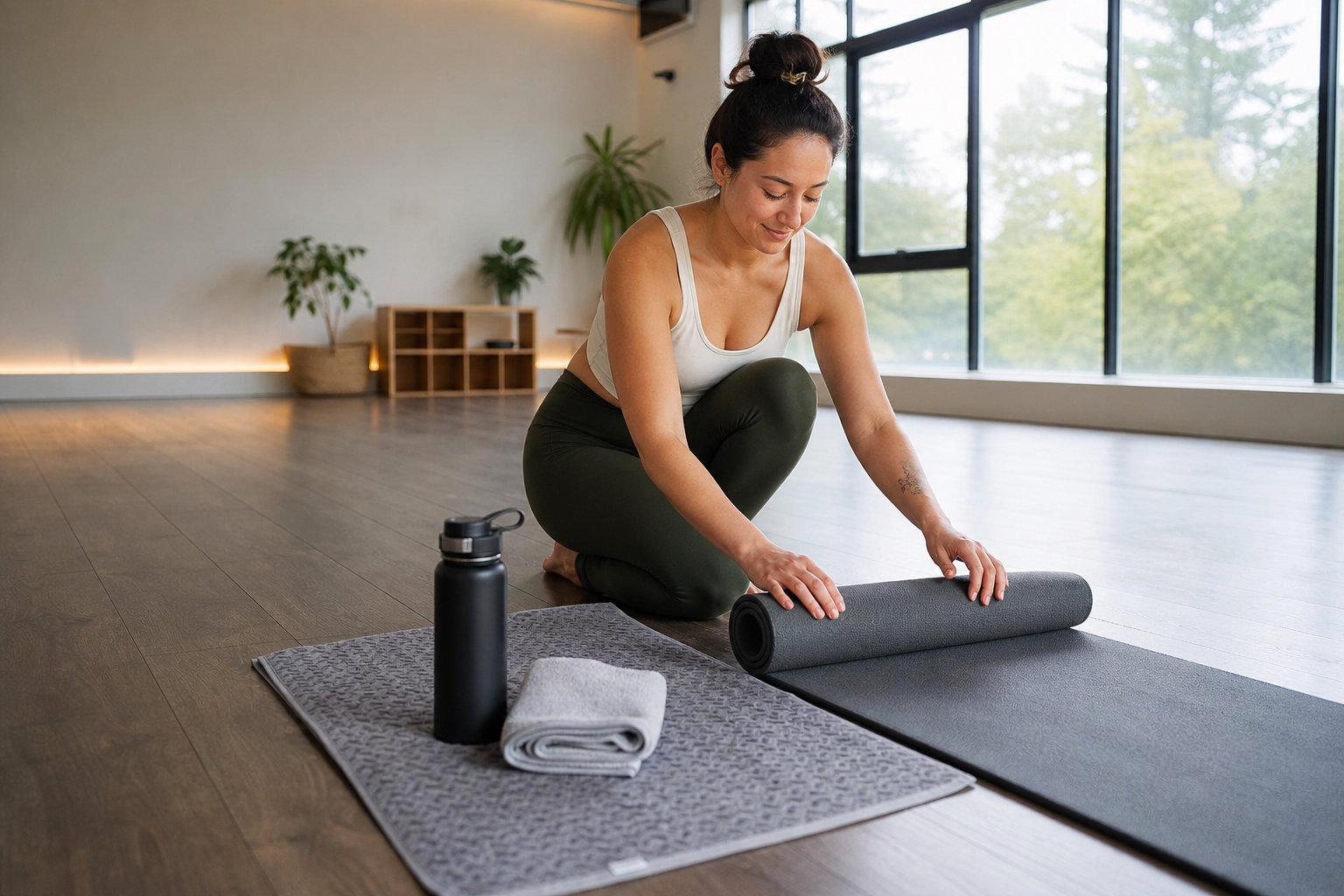
- Create a Relaxing Environment: Set up a calming space for your yoga practice. Dim the lights, play soothing music, and use props like blankets and pillows for added comfort.
- Keep It Gentle: Focus on gentle and restorative poses in the evening to promote relaxation. Avoid vigorous or energizing sequences close to bedtime.
- Combine Poses with Breathing: Integrate breathing exercises into your yoga routine to enhance relaxation and prepare your body for sleep.
- Listen to Your Body: Pay attention to how your body feels and adjust your practice accordingly. The goal is to promote relaxation and prepare for a restful night.
Conclusion
Yoga offers a holistic approach to improving sleep quality by reducing stress, enhancing relaxation, and improving physical comfort. By incorporating gentle yoga poses and breathing techniques into your evening routine, you can create a peaceful transition to sleep, leading to restful nights and bright mornings. Whether you’re new to yoga or a seasoned practitioner, embracing the calming power of yoga can help you achieve the restorative sleep you need to thrive. Start your yoga journey today and discover the benefits of better sleep for yourself!