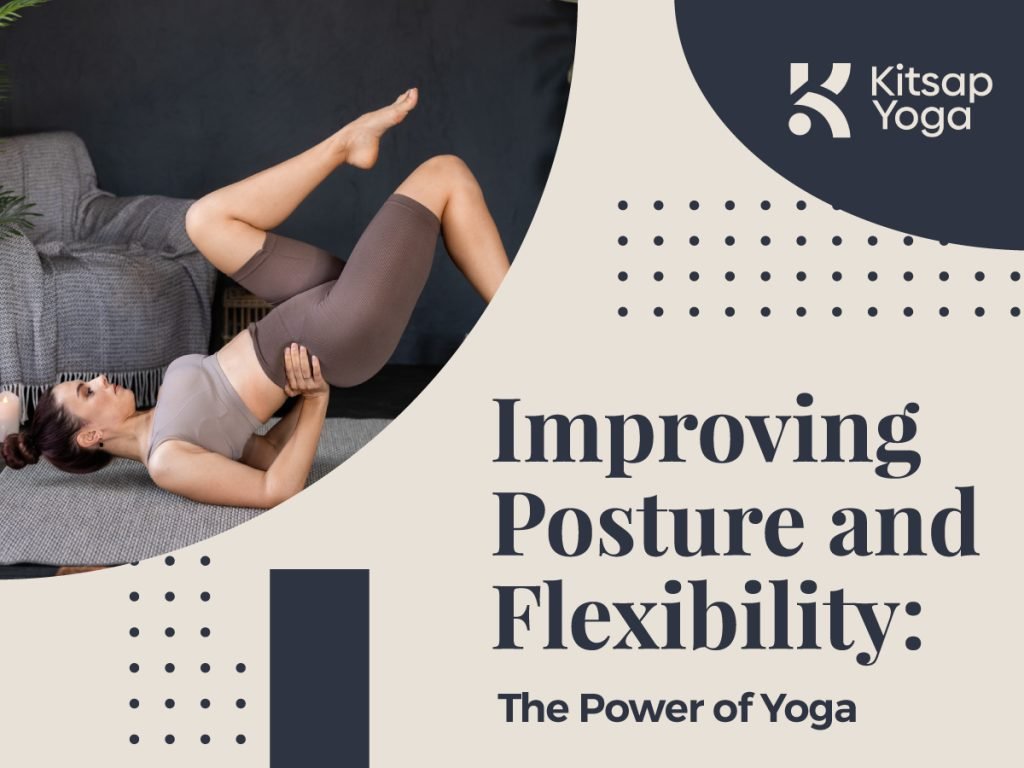
In our modern world, where many of us spend hours sitting at desks, hunched over computers, or glued to our phones, poor posture and reduced flexibility have become common issues. These habits can lead to discomfort, pain, and long-term health problems. Fortunately, yoga offers a powerful solution. With its combination of stretching, strengthening, and mindful movement, yoga can help improve your posture and increase your flexibility, leading to a healthier, more balanced life. Let’s explore how yoga can transform your body and support better posture and flexibility.
The Importance of Good Posture and Flexibility
Why Posture Matters
Good posture is more than just standing up straight; it’s about maintaining the natural curves of your spine and ensuring that your body is aligned correctly. Proper posture:
- Reduces the Risk of Pain and Injury: Poor posture can lead to muscle imbalances, putting strain on your back, neck, and joints, which increases the risk of injury.
- Improves Breathing: When your body is aligned properly, your lungs have more room to expand, allowing for deeper, more efficient breathing.
- Boosts Confidence: Standing tall with good posture can enhance your appearance and boost your confidence.
The Role of Flexibility
Flexibility is the ability of your muscles and joints to move through their full range of motion. Improved flexibility:
- Enhances Mobility: Flexible muscles and joints make it easier to move freely and perform daily activities without discomfort.
- Prevents Injuries: Flexible muscles are less likely to become strained or injured during physical activities.
- Reduces Muscle Tension: Stretching and improving flexibility can relieve muscle tightness and reduce the risk of cramps and discomfort.
How Yoga Improves Posture and Flexibility
Yoga is uniquely suited to improving both posture and flexibility through a series of poses (asanas) that stretch and strengthen the body. Here’s how yoga helps:
Strengthens Core Muscles
A strong core is essential for maintaining good posture. Yoga poses like Plank Pose and Boat Pose engage the core muscles, helping to stabilize the spine and support an upright posture.
Stretches Tight Muscles
Yoga includes a variety of stretches that target commonly tight areas like the hamstrings, hips, shoulders, and back. Regular practice helps release tension and lengthen these muscles, improving overall flexibility.
Encourages Body Awareness
Yoga promotes mindfulness and body awareness, helping you become more conscious of your posture throughout the day. This awareness can lead to better alignment and posture habits.
Balances Muscle Groups
Many yoga poses work to balance the muscles on both sides of the body, correcting imbalances that can lead to poor posture and restricted movement.
Promotes Spinal Alignment
Yoga emphasizes maintaining the natural curves of the spine, which is crucial for good posture. Poses like Mountain Pose and Bridge Pose help align the spine and improve posture.
Key Yoga Poses for Posture and Flexibility
Incorporate these yoga poses into your practice to improve your posture and increase flexibility:
1. Mountain Pose (Tadasana)
Mountain Pose is a foundational pose that promotes good posture and body awareness.
How to Do It:
- Stand with your feet together or hip-width apart.
- Distribute your weight evenly across both feet.
- Engage your thigh muscles and lift your kneecaps.
- Lengthen your spine, roll your shoulders back and down, and lift your chest.
- Let your arms hang naturally by your sides with palms facing forward.
- Breathe deeply and hold the pose for several breaths.
2. Downward-Facing Dog (Adho Mukha Svanasana)
Downward-Facing Dog stretches the entire body, particularly the hamstrings, calves, and shoulders, and helps improve posture.
How to Do It:
- Start on your hands and knees with your wrists under your shoulders and knees under your hips.
- Tuck your toes under and lift your hips towards the ceiling, straightening your legs as much as possible.
- Keep your head between your arms and gaze towards your feet.
- Hold the pose for several breaths.
3. Cat-Cow Pose (Marjaryasana-Bitilasana)
Cat-Cow Pose increases spinal flexibility and improves posture by warming up and mobilizing the spine.
How to Do It:
- Begin on your hands and knees in a tabletop position.
- Inhale, arch your back, drop your belly towards the mat, and lift your head and tailbone (Cow Pose).
- Exhale, round your spine towards the ceiling, tuck your chin to your chest, and draw your belly in (Cat Pose).
- Continue flowing between Cat and Cow poses for several breaths.
4. Cobra Pose (Bhujangasana)
Cobra Pose strengthens the muscles of the back, shoulders, and arms, promoting better posture and flexibility in the spine.
How to Do It:
- Lie on your stomach with your hands under your shoulders and elbows close to your body.
- Press into your hands and gently lift your chest off the floor, keeping your elbows slightly bent.
- Lengthen through your spine and draw your shoulders away from your ears.
- Hold the pose for several breaths, then slowly lower back down.
5. Seated Forward Bend (Paschimottanasana)
Seated Forward Bend stretches the hamstrings, lower back, and spine, improving flexibility and releasing tension in the back.
How to Do It:
- Sit on the mat with your legs extended straight in front of you.
- Inhale, lengthen your spine, and reach your arms overhead.
- Exhale, hinge at your hips, and reach for your feet, shins, or thighs.
- Keep your back as straight as possible and relax your neck.
- Hold the pose for several breaths.
6. Bridge Pose (Setu Bandhasana)
Bridge Pose strengthens the back, glutes, and hamstrings, and promotes spinal alignment and good posture.
How to Do It:
- Lie on your back with your knees bent and feet hip-width apart, flat on the floor.
- Place your arms by your sides with palms facing down.
- Press into your feet and lift your hips towards the ceiling, keeping your thighs parallel.
- Hold the pose for several breaths, then slowly lower your hips back to the floor.
Tips for Incorporating Yoga into Your Routine
- Practice Regularly: Consistency is key to seeing improvements in posture and flexibility. Aim to practice yoga at least a few times a week.
- Listen to Your Body: Pay attention to how your body feels during each pose and avoid pushing yourself too hard. Flexibility improves gradually over time.
- Use Props if Needed: Yoga blocks, straps, and blankets can help support your body in poses and make them more accessible as you build strength and flexibility.
- Focus on Alignment: Prioritize proper alignment in each pose to maximize the benefits for your posture and avoid injury.
- Combine with Other Exercises: Complement your yoga practice with other forms of exercise, such as strength training and cardio, for overall fitness and well-being.
Conclusion
Yoga offers a powerful and holistic approach to improving posture and flexibility. By incorporating key yoga poses into your routine, you can strengthen your core, stretch tight muscles, and enhance your body awareness, leading to better alignment and greater ease of movement. Whether you’re new to yoga or an experienced practitioner, embracing the power of yoga can transform your body and support a healthier, more balanced life. Start your yoga journey today and experience the benefits of improved posture and flexibility.