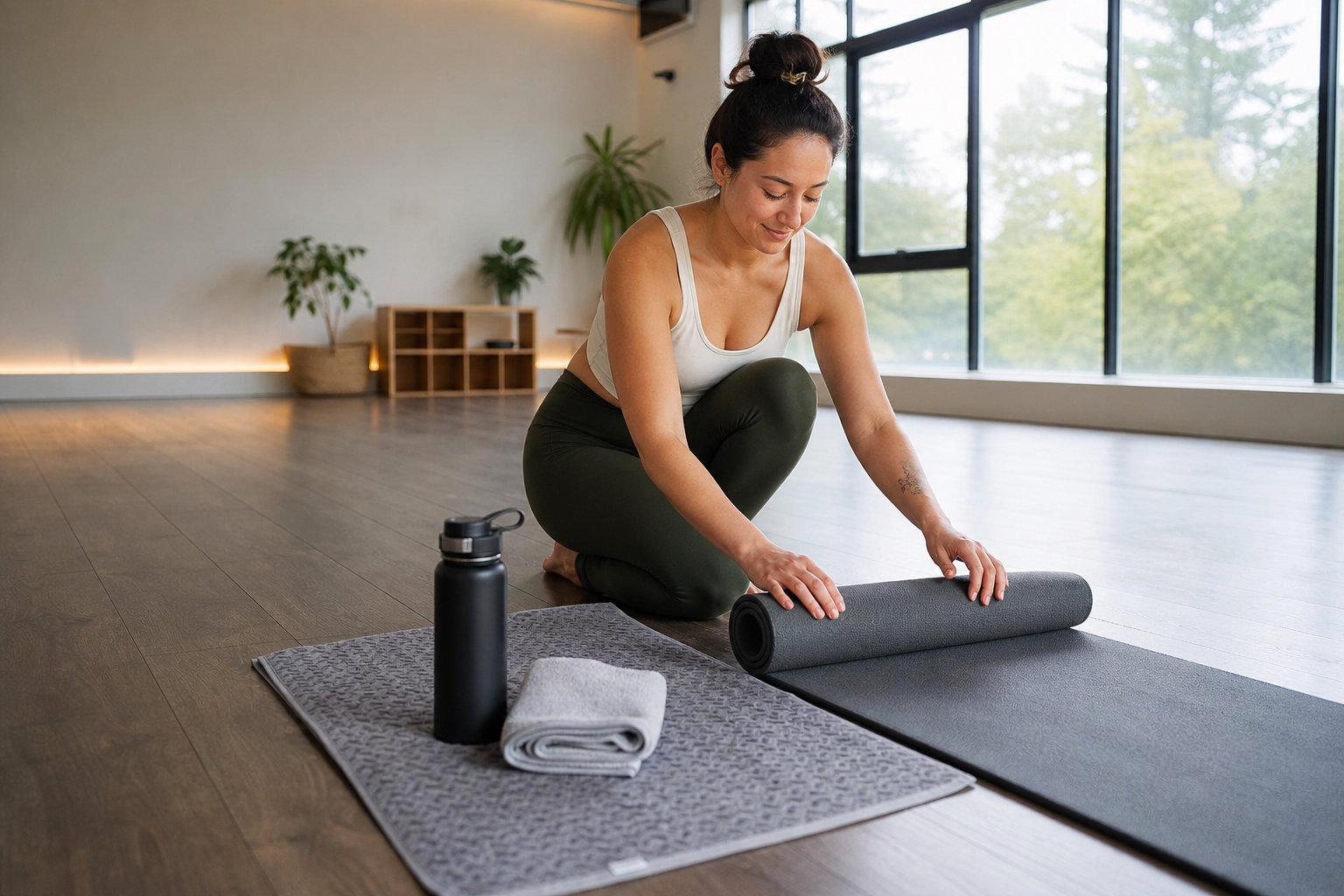

Joint pain can significantly impact your quality of life, making everyday activities challenging and uncomfortable. While various treatments are available, yoga offers a gentle and effective way to alleviate joint pain and enhance mobility. Let’s explore how yoga can help you find relief from joint pain and promote a pain-free life.
Understanding Joint Pain
Joint pain can arise from various conditions, such as arthritis, bursitis, or simply from overuse and wear and tear. This pain can limit your range of motion and make it difficult to stay active. Yoga, with its emphasis on gentle movements and mindfulness, can help manage and reduce joint pain effectively.
How Yoga Helps Relieve Joint Pain
Yoga integrates physical postures, breathing exercises, and mindfulness, offering a holistic approach to managing joint pain. Here’s how yoga can help:
Enhances Flexibility and Mobility
Yoga stretches and strengthens the muscles around your joints, improving flexibility and range of motion. This increased mobility can help reduce stiffness and discomfort.
Builds Muscle Strength
Strong muscles support and protect your joints. Yoga poses help build muscle strength, which can reduce the strain on your joints and decrease pain.
Promotes Circulation
The gentle movements in yoga promote better blood flow, which can help reduce inflammation and nourish the joints with oxygen and nutrients.
Reduces Stress
Stress can exacerbate joint pain. Yoga’s mindfulness and relaxation techniques help reduce stress, which can, in turn, lessen the perception of pain.
Encourages Mind-Body Awareness
Yoga encourages you to listen to your body and move mindfully. This awareness can help prevent overexertion and further injury to your joints.
Gentle Yoga Poses for Joint Pain Relief
Incorporate these gentle yoga poses into your routine to help relieve joint pain:
- Cat-Cow Pose (Marjaryasana-Bitilasana): This gentle flow between cat and cow poses helps warm up the spine and relieve tension in the back and hips. Start on your hands and knees, arch your back (Cat Pose) and then dip your belly while lifting your head and tailbone (Cow Pose).
- Child’s Pose (Balasana): A restful pose that gently stretches the hips, thighs, and ankles while promoting relaxation. Kneel on the floor, sit back on your heels, and stretch your arms forward, lowering your forehead to the ground.
- Legs-Up-the-Wall Pose (Viparita Karani): This restorative pose reduces swelling and improves circulation, particularly beneficial for the legs and lower back. Lie on your back with your legs extended up a wall, allowing your body to relax.
- Bridge Pose (Setu Bandhasana): Strengthens the back and glutes while gently stretching the chest and spine. Lie on your back with your knees bent and feet hip-width apart, then lift your hips towards the ceiling.
- Chair Pose (Utkatasana): Strengthens the muscles around the knees and hips, providing support for these joints. Stand with your feet together, bend your knees, and lower your hips as if sitting back into a chair, keeping your arms raised.
Breathing Techniques for Pain Management
Pranayama, or controlled breathing, can help manage pain and reduce stress. Try these breathing techniques:
- Diaphragmatic Breathing: Also known as belly breathing, this technique promotes relaxation and reduces tension. Place one hand on your chest and the other on your belly. Inhale deeply through your nose, allowing your belly to rise, then exhale slowly through your mouth.
- Ujjayi Breath (Victorious Breath): This slow, controlled breath helps calm the nervous system and manage pain. Inhale deeply through your nose, slightly constricting your throat to create a soft sound, and exhale slowly through your nose.
- Alternate Nostril Breathing (Nadi Shodhana): Balances the body and mind, promoting a sense of calm. Close one nostril with your thumb, inhale through the other nostril, switch nostrils, and exhale. Repeat on the other side.
Tips for Practicing Yoga with Joint Pain
- Start Slowly: Begin with gentle poses and gradually increase the intensity as your body becomes more comfortable with the movements.
- Use Props: Utilize yoga props like blocks, straps, and bolsters to support your body and reduce strain on your joints.
- Listen to Your Body: Pay attention to how your body feels and avoid any poses that cause pain or discomfort. Modify poses as needed.
- Practice Regularly: Consistency is key. Aim to practice yoga regularly, even if it’s just a few minutes each day, to experience the benefits.
- Consult a Professional: If you have severe joint pain or any medical conditions, consult a healthcare professional or a certified yoga instructor to ensure that your practice is safe and effective.
Conclusion
Yoga offers a gentle and holistic approach to managing joint pain, enhancing flexibility, and improving overall well-being. By incorporating gentle yoga poses and breathing techniques into your routine, you can find relief from joint pain and promote a pain-free life. Whether you’re new to yoga or an experienced practitioner, embracing the healing power of yoga can transform your life. Start your yoga journey today and discover the benefits of gentle movement for joint pain relief.