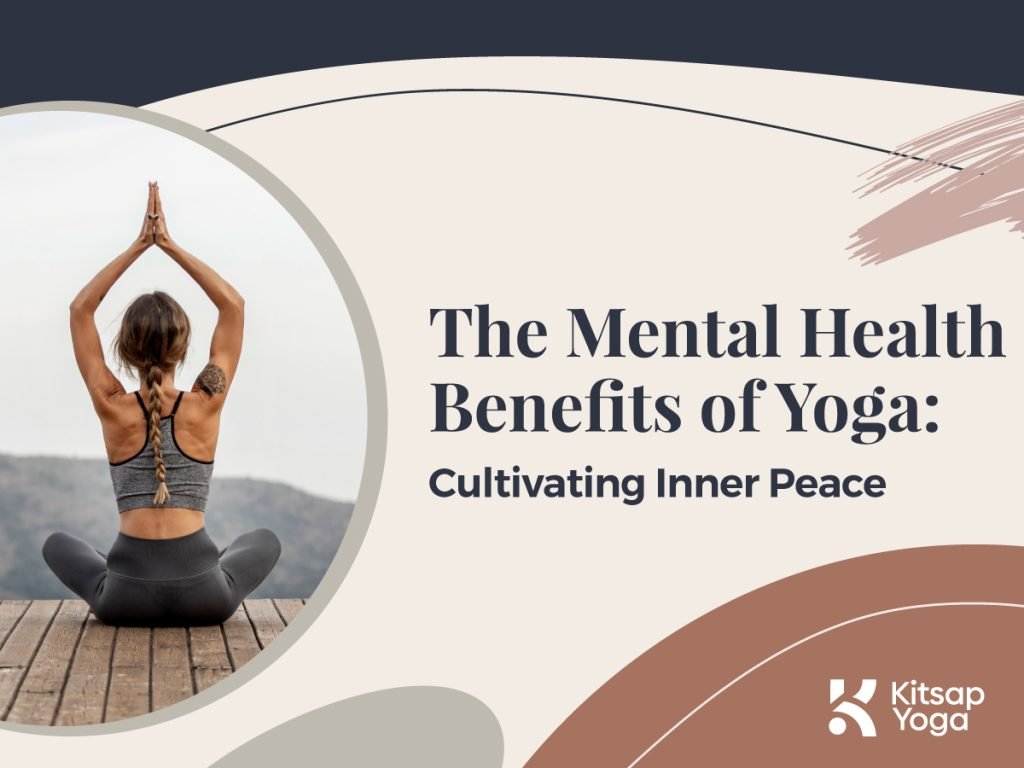
In today’s fast-paced world, maintaining mental health can be a challenge. Stress, anxiety, and a constant stream of responsibilities can leave us feeling overwhelmed and disconnected from our inner calm. Fortunately, yoga offers a powerful way to cultivate inner peace and support mental well-being. With its unique blend of mindful movement, breath control, and meditation, yoga helps quiet the mind, soothe the nervous system, and promote emotional balance. Let’s explore the mental health benefits of yoga and how this ancient practice can help you find a deeper sense of inner peace.
How Yoga Supports Mental Health
Yoga provides a holistic approach to mental health by integrating the mind and body. Through its combination of physical postures (asanas), breathing techniques (pranayama), and mindfulness practices, yoga can positively impact mental well-being in several ways:
1. Reduces Stress and Anxiety
Yoga is well-known for its ability to reduce stress and anxiety. It activates the parasympathetic nervous system, which helps counteract the body’s stress response. Through deep breathing and mindful movement, yoga lowers cortisol levels, the primary stress hormone, promoting a sense of calm and relaxation.
Scientific Insight: Research published in the Journal of Clinical Psychology found that yoga significantly reduced symptoms of anxiety and stress in participants, making it an effective tool for managing everyday stressors.
2. Enhances Mood and Emotional Well-being
Regular yoga practice can improve mood and emotional resilience by promoting the release of endorphins, the body’s natural “feel-good” chemicals. Additionally, yoga encourages mindfulness, which helps increase self-awareness and foster a positive outlook on life.
Scientific Insight: A study in the Journal of Psychiatric Practice reported that individuals who practiced yoga regularly experienced reduced symptoms of depression and improved overall mood.
3. Improves Sleep Quality
Many people struggle with sleep due to stress, anxiety, or racing thoughts. Yoga helps quiet the mind, relax the body, and prepare for restful sleep. Techniques such as gentle yoga poses, deep breathing, and guided meditation can improve sleep quality by reducing insomnia and encouraging a peaceful state of mind.
Scientific Insight: A study published in the Journal of Ayurveda and Integrative Medicine found that yoga practice improved both the duration and quality of sleep in participants.
4. Promotes Mindfulness and Self-Awareness
Yoga emphasizes mindfulness, the practice of staying present and aware of each moment without judgment. This heightened awareness can lead to greater self-understanding, emotional regulation, and the ability to respond more thoughtfully to life’s challenges.
Scientific Insight: Research in the Mindfulness journal found that yoga practitioners reported higher levels of mindfulness and self-awareness compared to non-practitioners.
5. Increases Focus and Concentration
Yoga encourages mental focus by integrating the mind and body. The mindful movements and breathwork practiced in yoga enhance concentration, memory, and cognitive function, helping you stay present and focused.
Scientific Insight: A study in the Journal of Behavioral Medicine showed that yoga practice improved cognitive performance and executive function, including attention and concentration.
6. Builds Emotional Resilience
Through regular practice, yoga helps build emotional resilience by encouraging self-compassion, acceptance, and the ability to stay grounded during stressful situations. This emotional strength can help you navigate life’s ups and downs with greater ease and grace.
Scientific Insight: Research in the Journal of Alternative and Complementary Medicine indicated that yoga enhances emotional regulation and resilience, contributing to better mental health outcomes.
Key Yoga Practices for Mental Health and Inner Peace
Incorporate these yoga practices into your routine to support mental health and cultivate a sense of inner peace:
1. Gentle Yoga Poses
Child’s Pose (Balasana)
Child’s Pose is a restful pose that promotes relaxation, reduces anxiety, and calms the mind.
How to Do It:
- Kneel on the floor with your big toes touching and knees spread wide.
- Sit back on your heels and stretch your arms forward, lowering your forehead to the mat.
- Close your eyes, breathe deeply, and hold the pose for several minutes.
Legs-Up-the-Wall Pose (Viparita Karani)
This gentle inversion reduces stress, calms the nervous system, and promotes relaxation.
How to Do It:
- Sit close to a wall and lie on your back, extending your legs up the wall.
- Allow your arms to rest by your sides, palms facing up.
- Close your eyes, focus on deep, steady breathing, and hold the pose for 5-10 minutes.
Seated Forward Bend (Paschimottanasana)
Seated Forward Bend calms the mind, relieves tension, and promotes introspection and mindfulness.
How to Do It:
- Sit on the mat with your legs extended straight in front of you.
- Inhale, lengthen your spine, and reach your arms overhead.
- Exhale, hinge at your hips, and reach for your feet, shins, or thighs.
- Keep your back as straight as possible and relax your neck.
- Hold the pose for several breaths.
2. Breathing Techniques (Pranayama)
Diaphragmatic Breathing
This deep breathing technique reduces anxiety and promotes relaxation by encouraging full oxygen exchange.
How to Do It:
- Sit or lie down in a comfortable position.
- Place one hand on your chest and the other on your belly.
- Inhale deeply through your nose, allowing your belly to rise.
- Exhale slowly through your mouth, letting your belly fall.
- Continue for several minutes, focusing on your breath.
Alternate Nostril Breathing (Nadi Shodhana)
This balancing breath technique calms the mind, reduces anxiety, and promotes mental clarity.
How to Do It:
- Sit comfortably with your spine straight.
- Close your right nostril with your right thumb and inhale deeply through your left nostril.
- Close your left nostril with your right ring finger and exhale through your right nostril.
- Inhale through your right nostril, close it, and exhale through your left nostril.
- Continue alternating for several minutes.
4-7-8 Breathing
This simple breathing technique helps calm the nervous system and reduce anxiety, promoting a sense of peace.
How to Do It:
- Inhale quietly through your nose for a count of 4.
- Hold your breath for a count of 7.
- Exhale completely through your mouth for a count of 8.
- Repeat the cycle 4-8 times.
3. Mindfulness and Meditation
Guided Meditation
Following a guided meditation can help focus your mind, promote relaxation, and cultivate inner peace.
How to Do It:
- Find a quiet place to sit or lie down.
- Close your eyes and take a few deep breaths.
- Listen to a guided meditation, focusing on the narrator’s voice and instructions.
Body Scan Meditation
This practice increases awareness of physical sensations and promotes relaxation, helping to release tension and cultivate calm.
How to Do It:
- Lie down in a comfortable position.
- Close your eyes and take a few deep breaths.
- Starting from your toes, slowly scan your body, noticing any tension or discomfort.
- Breathe into each area of tension, allowing it to release.
Tips for Integrating Yoga for Mental Health
- Practice Regularly: Consistency is key to experiencing the mental health benefits of yoga. Aim to practice at least a few minutes each day.
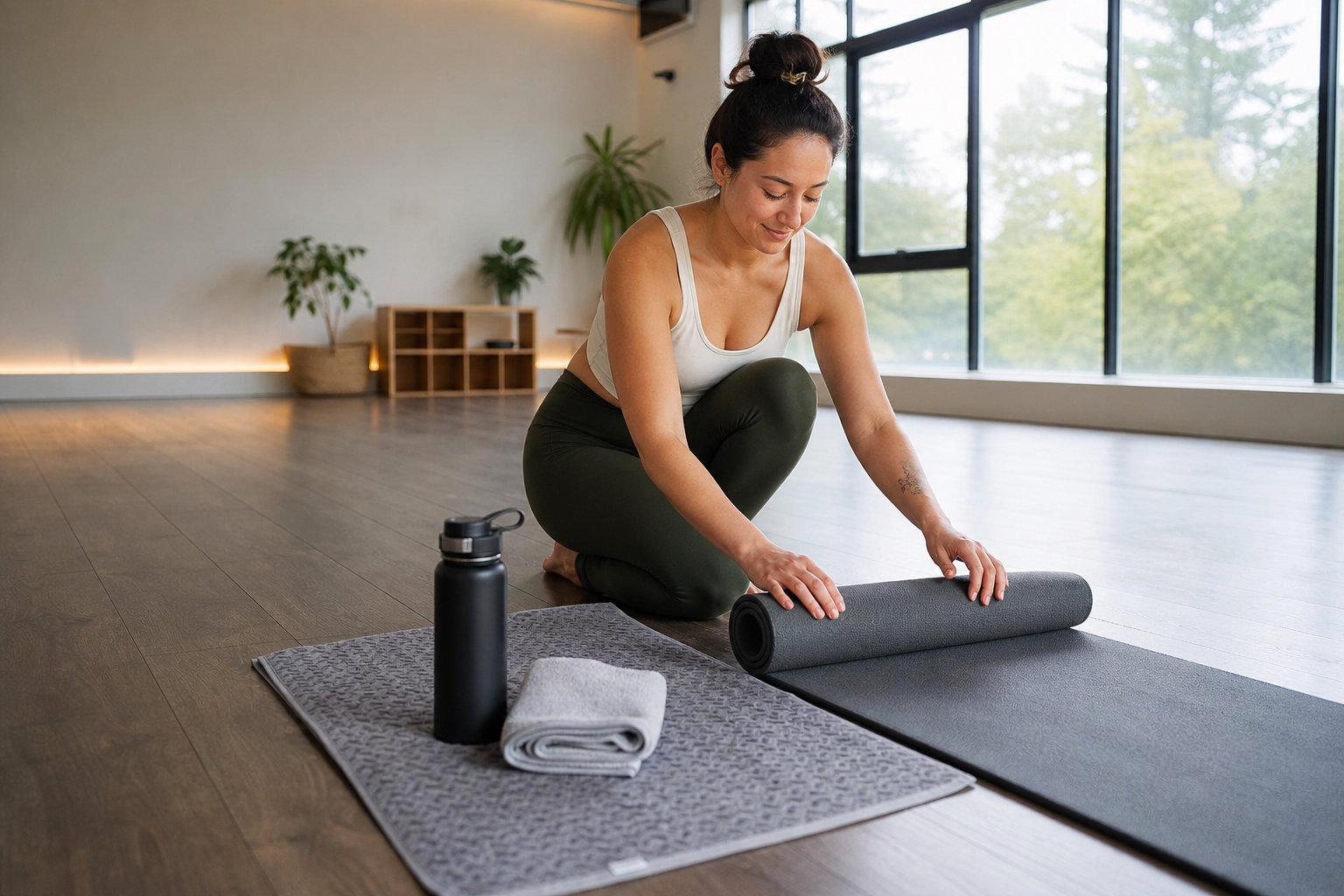
- Create a Calming Environment: Set up a quiet, comfortable space for your yoga practice. Use props like blankets and pillows to support relaxation.
- Focus on Breath and Mindfulness: Pay attention to your breath and maintain a mindful approach throughout your practice to deepen your sense of peace.
- Combine with Other Self-Care Practices: Integrate yoga with other self-care practices, such as journaling, walking in nature, or listening to calming music, to enhance your overall well-being.
Conclusion
Yoga offers a powerful and holistic approach to mental health by helping to reduce stress, enhance mood, improve sleep, and promote mindfulness. By incorporating yoga poses, breathing techniques, and mindfulness practices into your daily routine, you can cultivate a deeper sense of inner peace and resilience. Whether you’re new to yoga or an experienced practitioner, embracing these practices can help you achieve greater mental clarity, emotional balance, and overall well-being. Start your yoga journey today and discover the transformative power of finding peace within.