
Whether you’re a professional athlete or a weekend warrior, maintaining peak performance and avoiding injuries are crucial to your success. While traditional training regimens focus on strength, speed, and endurance, incorporating yoga into your routine can offer unique benefits that enhance athletic performance and help prevent injuries. Let’s explore how yoga can elevate your athletic abilities and keep you in top form.
How Yoga Benefits Athletes
Yoga is much more than just stretching. It’s a holistic practice that integrates physical postures, breath control, and mindfulness, all of which contribute to an athlete’s overall performance. Here’s how yoga benefits athletes:
1. Improves Flexibility and Range of Motion
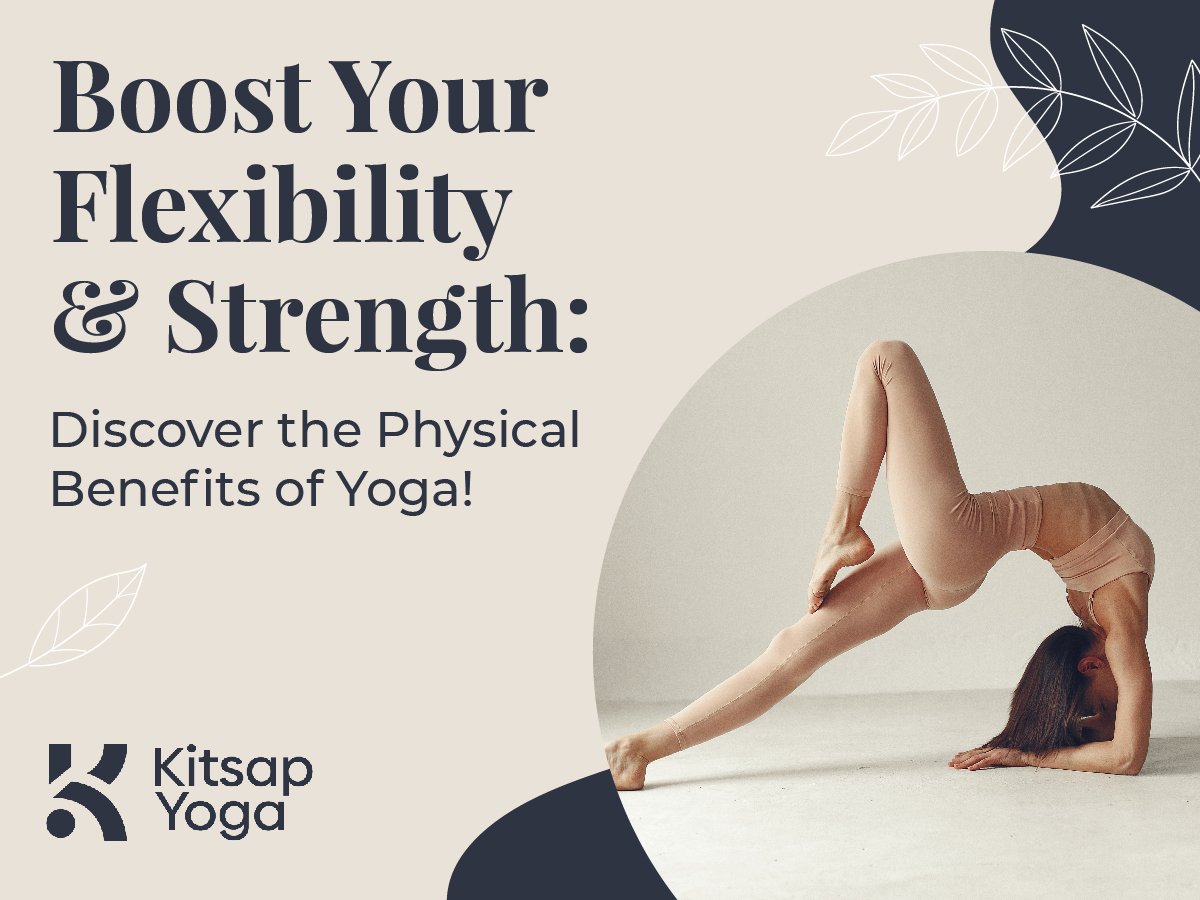
Flexibility is essential for athletes, as it allows for a greater range of motion, reduces muscle stiffness, and improves overall agility. Yoga poses systematically stretch and lengthen the muscles, tendons, and ligaments, which can lead to enhanced flexibility and better movement efficiency.
Key Pose: Seated Forward Bend (Paschimottanasana)
- Stretches the hamstrings, lower back, and spine.
- Improves flexibility and reduces the risk of muscle strains.
2. Enhances Strength and Balance
Many yoga poses require you to hold and control your body weight, which builds muscle strength and enhances stability. Strong, balanced muscles are less prone to injury and contribute to better athletic performance.
Key Pose: Warrior II (Virabhadrasana II)
- Strengthens the legs, core, and shoulders.
- Improves balance and stability, essential for running, jumping, and pivoting.
3. Promotes Mental Focus and Concentration
Yoga incorporates mindfulness and breath control, which help athletes develop better focus and mental clarity. This heightened awareness can improve reaction times, decision-making, and overall mental resilience during competition.
Key Pose: Tree Pose (Vrksasana)
- Enhances concentration and balance.
- Teaches the importance of staying focused under pressure.
4. Aids in Recovery and Injury Prevention
Yoga’s gentle movements and stretches can speed up recovery by promoting blood flow and reducing muscle soreness. Additionally, yoga helps prevent injuries by improving muscle imbalances, joint stability, and overall body mechanics.
Key Pose: Child’s Pose (Balasana)
- Stretches the back, hips, and thighs.
- Promotes relaxation and helps release tension after intense training.
5. Boosts Breathing Efficiency
Breath control, or pranayama, is a core component of yoga that can enhance an athlete’s respiratory function. Better breathing efficiency increases oxygen delivery to muscles, which can improve endurance and reduce fatigue.
Key Breathing Technique: Diaphragmatic Breathing
- Improves lung capacity and oxygen intake.
- Supports better stamina and energy levels during athletic performance.
6. Increases Body Awareness and Alignment
Yoga encourages body awareness, helping athletes become more attuned to their physical state. This awareness can lead to better posture, alignment, and technique, reducing the likelihood of overuse injuries.
Key Pose: Mountain Pose (Tadasana)
- Promotes proper alignment and posture.
- Serves as a foundation for understanding body mechanics in all athletic movements.
Yoga Poses for Athletes
Incorporate these yoga poses into your training regimen to enhance your performance and prevent injuries:
1. Downward-Facing Dog (Adho Mukha Svanasana)
Benefits:
- Stretches the hamstrings, calves, and shoulders.
- Relieves tension in the back and neck, which is especially helpful after intense physical activity.
How to Do It:
- Start on your hands and knees, with your wrists under your shoulders and knees under your hips.
- Tuck your toes under and lift your hips towards the ceiling, straightening your legs and forming an inverted V shape.
- Press your hands firmly into the mat and keep your head between your arms.
- Hold the pose for several breaths.
2. Pigeon Pose (Eka Pada Rajakapotasana)
Benefits:
- Stretches the hip flexors and glutes, areas often tight in athletes.
- Improves hip mobility, which is essential for running, cycling, and many other sports.
How to Do It:
- Start in a tabletop position, then bring your right knee forward towards your right wrist.
- Extend your left leg straight behind you, lowering your hips towards the mat.
- Fold forward over your front leg, stretching your arms out in front of you.
- Hold the pose for several breaths, then switch sides.
3. Bridge Pose (Setu Bandhasana)
Benefits:
- Strengthens the back, glutes, and hamstrings.
- Opens the chest and shoulders, improving posture and breathing.
How to Do It:
- Lie on your back with your knees bent and feet hip-width apart, flat on the floor.
- Place your arms by your sides with palms facing down.
- Press into your feet and lift your hips towards the ceiling, keeping your thighs parallel.
- Hold the pose for several breaths, then slowly lower your hips back to the floor.
4. Reclining Hand-to-Big-Toe Pose (Supta Padangusthasana)
Benefits:
- Stretches the hamstrings and calves, improving flexibility and preventing muscle strains.
- Enhances balance and stability by isolating each leg.
How to Do It:
- Lie on your back with your legs extended.
- Lift your right leg towards the ceiling, keeping it straight.
- Hold your right big toe with your right hand, using a strap if necessary.
- Keep your left leg grounded and hold the pose for several breaths, then switch sides.
5. Cat-Cow Pose (Marjaryasana-Bitilasana)
Benefits:
- Increases spinal flexibility and warms up the back muscles.
- Relieves tension in the neck, shoulders, and lower back.
How to Do It:
- Begin on your hands and knees in a tabletop position.
- Inhale, arch your back, drop your belly towards the mat, and lift your head and tailbone (Cow Pose).
- Exhale, round your spine towards the ceiling, tuck your chin to your chest, and draw your belly in (Cat Pose).
- Continue flowing between Cat and Cow poses for several breaths.
Tips for Incorporating Yoga into Your Athletic Routine
- Start Slowly: If you’re new to yoga, begin with a few poses and gradually increase the duration and intensity of your practice.
- Practice Regularly: Consistency is key to seeing the benefits of yoga. Aim to practice yoga at least two to three times a week.
- Focus on Recovery: Use yoga as part of your post-training recovery routine to reduce muscle soreness and promote relaxation.
- Listen to Your Body: Pay attention to how your body feels during each pose and avoid pushing yourself too hard, especially if you’re recovering from an injury.
- Combine with Strength Training: Integrate yoga with your regular strength and conditioning workouts to create a balanced fitness regimen.
Conclusion
Yoga offers a powerful way to enhance athletic performance and prevent injuries. By improving flexibility, strength, balance, and mental focus, yoga helps athletes achieve their peak potential while reducing the risk of injury. Whether you’re a runner, cyclist, swimmer, or play team sports, incorporating yoga into your training routine can lead to better results and a healthier, more resilient body. Start your yoga journey today and experience the transformative benefits that yoga can bring to your athletic performance.