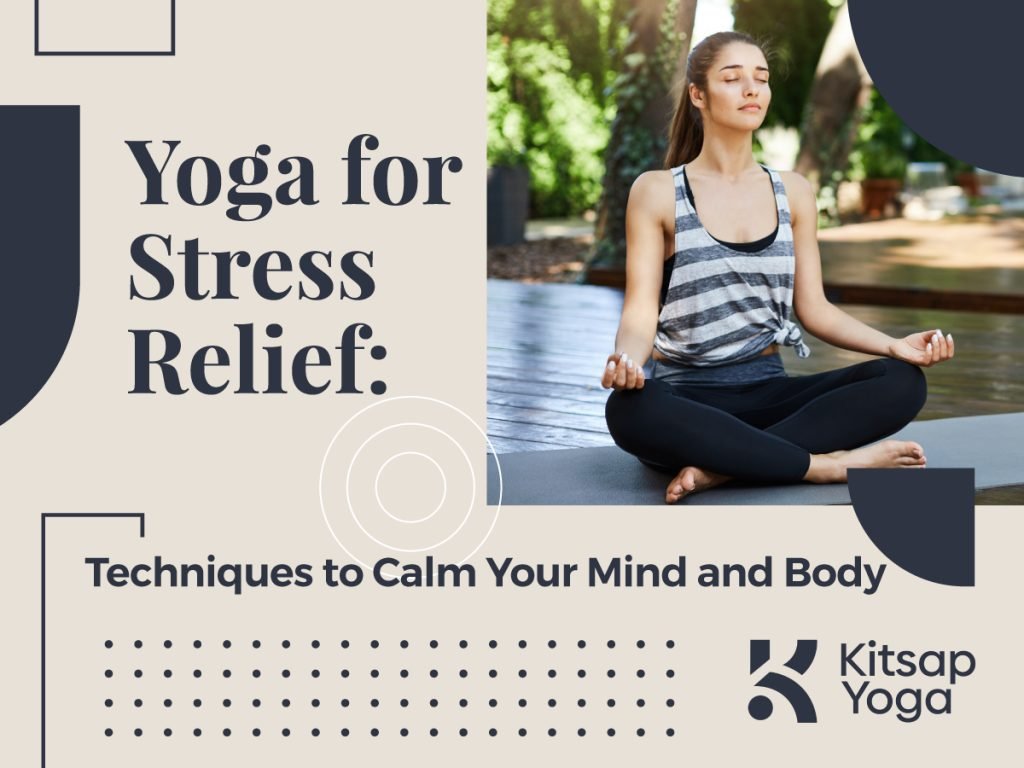
In today’s fast-paced world, stress has become an almost constant companion for many of us. The pressures of work, family, and daily life can leave us feeling overwhelmed and anxious. Fortunately, yoga offers a powerful antidote to stress, providing techniques that can calm both the mind and body. Let’s explore how yoga can help relieve stress and bring tranquility into your life.
The Connection Between Yoga and Stress Relief
Yoga integrates physical postures, breath control, and mindfulness practices, creating a holistic approach to stress management. Here’s how yoga helps alleviate stress:
Reduces Stress Hormones
Yoga activates the parasympathetic nervous system, which counters the body’s stress response. This activation lowers cortisol levels, the primary stress hormone, and promotes a sense of relaxation.
Enhances Mind-Body Awareness
Yoga encourages mindfulness and present-moment awareness, helping you break free from the cycle of stress and anxiety. By focusing on your breath and body, yoga grounds you in the present and quiets the mind.
Releases Physical Tension
The physical postures in yoga stretch and strengthen muscles, releasing tension and stiffness that accumulate in the body due to stress. This release helps reduce physical discomfort and promotes relaxation.
Effective Yoga Techniques for Stress Relief
Incorporate these yoga techniques into your routine to help calm your mind and body:
1. Gentle Yoga Poses
Child’s Pose (Balasana)
Child’s Pose is a restful pose that gently stretches the back, hips, and thighs while promoting relaxation.
How to Do It:
- Kneel on the floor with your big toes touching and knees spread wide.
- Sit back on your heels and stretch your arms forward, lowering your forehead to the mat.
- Breathe deeply and hold the pose for several breaths.
Legs-Up-the-Wall Pose (Viparita Karani)
This restorative pose helps reduce swelling and improves circulation, promoting relaxation.
How to Do It:
- Lie on your back with your legs extended up a wall.
- Allow your arms to rest by your sides, palms facing up.
- Close your eyes and breathe deeply, holding the pose for several minutes.
Cat-Cow Pose (Marjaryasana-Bitilasana)
Cat-Cow Pose is a gentle flow that warms up the spine and relieves tension in the back and neck.
How to Do It:
- Begin on your hands and knees in a tabletop position.
- Inhale, arch your back, drop your belly, and lift your head and tailbone (Cow Pose).
- Exhale, round your spine, tuck your chin to your chest, and draw your belly in (Cat Pose).
- Continue flowing between Cat and Cow poses for several breaths.
2. Breathing Techniques (Pranayama)
Diaphragmatic Breathing
Also known as belly breathing, this technique encourages full oxygen exchange, promoting relaxation.
How to Do It:
- Sit or lie down in a comfortable position.
- Place one hand on your chest and the other on your belly.
- Inhale deeply through your nose, allowing your belly to rise.
- Exhale slowly through your mouth, letting your belly fall.
- Continue for several minutes, focusing on your breath.
Alternate Nostril Breathing (Nadi Shodhana)
This technique balances the body’s energy channels and calms the mind.
How to Do It:
- Sit comfortably with your spine straight.
- Close your right nostril with your right thumb and inhale deeply through your left nostril.
- Close your left nostril with your right ring finger and exhale through your right nostril.
- Inhale through your right nostril, close it, and exhale through your left nostril.
- Continue alternating for several minutes.
Ujjayi Breath (Victorious Breath)
A slow, controlled breath that calms the nervous system and reduces stress.
How to Do It:
- Inhale deeply through your nose, slightly constricting the back of your throat to create a soft sound.
- Exhale slowly through your nose, maintaining the constriction.
- Continue for several minutes, focusing on the sound and rhythm of your breath.
3. Mindfulness and Meditation
Guided Meditation
Following a guided meditation can help focus your mind and promote relaxation.
How to Do It:
- Find a quiet place to sit or lie down.
- Close your eyes and take a few deep breaths.
- Listen to a guided meditation, focusing on the narrator’s voice and instructions.
Body Scan Meditation
This practice increases awareness of physical sensations and promotes relaxation.
How to Do It:
- Lie down in a comfortable position.
- Close your eyes and take a few deep breaths.
- Starting from your toes, slowly scan your body, noticing any tension or discomfort.
- Breathe into each area of tension, allowing it to release.
Tips for Integrating Yoga into Your Routine
- Consistency is Key: Practice yoga regularly, even if it’s just a few minutes each day, to experience the full benefits.
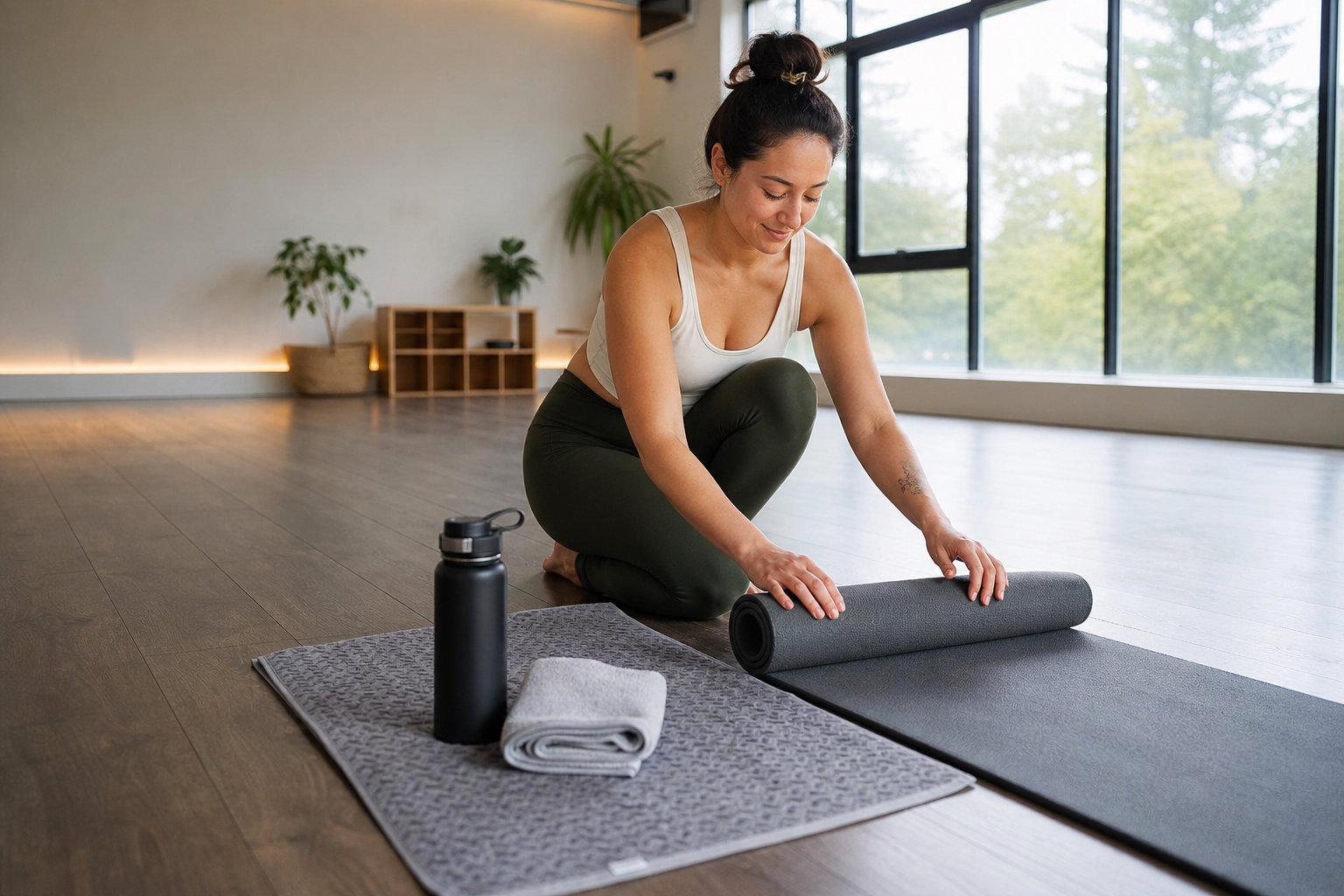
- Create a Calming Environment: Set up a quiet, comfortable space for your yoga practice. Use props like blankets and pillows for added comfort.
- Listen to Your Body: Pay attention to how your body feels and adjust your practice accordingly. Avoid pushing yourself too hard.
- Combine with Other Relaxation Techniques: Incorporate other stress-relief practices, such as journaling, walking, or listening to calming music, to enhance your overall well-being.
Conclusion
Yoga offers a comprehensive approach to managing stress, promoting relaxation, and enhancing overall well-being. By incorporating gentle poses, breathing techniques, and mindfulness practices into your routine, you can calm your mind and body, leading to a more balanced and peaceful life. Whether you’re new to yoga or a seasoned practitioner, embracing these stress-relief techniques can transform your life. Start your yoga journey today and experience the tranquility that yoga brings.